Dementia Meal Prep & Memory Care Nutrition in the Bay Area
Specialized meal support for seniors with dementia, Alzheimer’s, and memory-related conditions — finger foods, routine-based meals, and caregiver guidance.
Book Your Free Consultation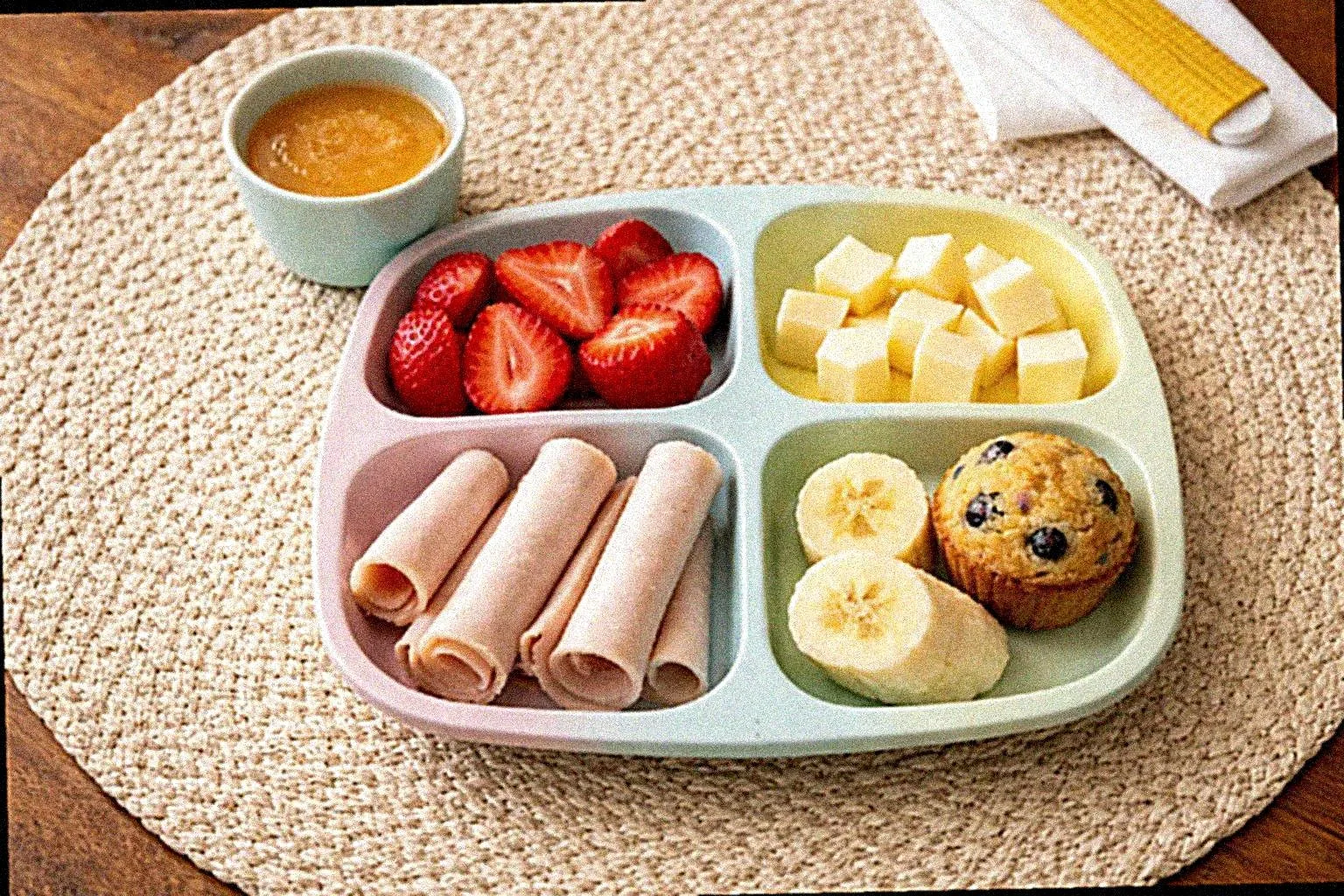
About Our Memory Care Nutrition Services
The meals I cook for a senior with dementia look almost nothing like a generic senior-meal-prep menu. The standard pretty-plated dinner — protein on the right, starch on the left, vegetables fanned across the top — is exactly the format that fails for a parent with mid-stage Alzheimer's. The full plate overwhelms. The utensils don't get used. The food doesn't always register as food. By the time the family realizes the meals they've been bringing aren't getting eaten, weight loss is already happening and refusal patterns are setting in.
What works is structural, not stylistic. Smaller portions, more frequent. Finger foods that bypass the utensil-sequence problem — meatballs with toothpicks, frittata squares, banana bread with peanut butter, soft cheese cubes, scrambled-egg packs that reheat in 45 seconds. Familiar flavors from the long-term sensory memory: the foods your parent cooked in her thirties and forties, in the cultural tradition she grew up in, are the ones still recognized when more recent foods aren't. Containers labeled by day-of-week in 24-point type so a confused parent or a rotating aide can grab what's intended without thinking. Snack drawers stocked at eye level so the wandering trip to the kitchen finds food, not a stove.
I'm Justine Sanidad, ServSafe-certified, based in Mountain View at 914 Rich Avenue. I cook in dementia households weekly across the Bay Area — San Jose to San Francisco, Palo Alto to Oakland. The work is half cooking and half caregiver coaching: explaining why each food choice was made, how to handle a refusal episode, what's a normal-for-this-stage signal versus when to call the neurologist or speech therapist. Pricing follows the standard $349 / $549 / $849 weekly framework plus groceries at cost; most dementia households start at $349 and step up if a recovery window or steep decline phase calls for it. See the pricing page for what each tier covers.
Memory Care Nutrition Services We Offer
3 specialized services for seniors with dementia and memory-related conditions
Hire a Medical Diet Chef for Bay Area Seniors — From $349/Week
Cardiac, diabetic, renal, and dysphagia diets executed in your kitchen weekly by ServSafe-certified Justine Sanidad.
Learn more →Caregiver Meal Prep & Relief Meals
Weekly caregiver meal prep & relief meals for family caregivers in the Bay Area.
Learn more →Personal Chef for Seniors in the Bay Area
Weekly in-home cooking for Bay Area seniors.
Learn more →Frequently Asked Questions
- Why does my mom refuse to eat the meals I bring her?
- Refusal in dementia is almost never about the cook or the recipe — it's neurological. Three patterns I see most: (1) hunger-signal loss — the brain stops reliably telling her she's hungry, so an empty stomach doesn't trigger eating; (2) food-recognition failure — a plated meal she's never seen before doesn't register as food, so she pushes it away; (3) executive-sequence loss — the cognitive steps to use a fork or unwrap a yogurt have decoupled. Two practical shifts that almost always help: serve foods she ate in her thirties and forties (the long-term sensory memory is where dementia's recognition still works), and serve finger foods rather than plated meals so utensils aren't a blocker. Smaller portions, more often. The complete-plate model fights the disease.
- What foods actually work for someone with mid-stage dementia?
- From eight years of cooking in dementia households across the Bay Area, the working list: meatballs with toothpicks (5 g protein, no utensil needed), frittata squares cut bite-size, banana bread with peanut butter, soft cheese cubes, scrambled-egg packs that microwave in 45 seconds, hard-boiled eggs (peeled, in a labeled tray), oatmeal cups with mashed banana and chia, soft chicken thigh shredded into a small bowl with broth, well-cooked grain bowls, mashed sweet potato with butter. Strong familiar scents help — baked goods and soups with distinct aromas can trigger appetite when visual recognition has failed. I label each container with the day-of-week and the dish in 24-point type so a confused parent or a rotating aide can find what's intended.
- How do you get an Alzheimer's patient to actually eat?
- Three structural moves, in order of leverage. (1) Same time, same place, every day. Cognitive load to begin eating drops dramatically when the routine is fixed — same chair, same time, same general order of foods. (2) Reduce visual and auditory distraction. TV off. Clear table. One plate, not three dishes set out. (3) Serve one food at a time. A full plate overwhelms; a single bowl with one item gets eaten. In later stages, hand-over-hand guidance — gently placing the spoon in their hand and guiding it toward the bowl — can restart stalled eating. I work with caregivers on these techniques during my visits; mealtime coaching is part of the service, not separate from it.
- What's the actual cost of memory-care nutrition support?
- Most dementia households fit the $349 weekly tier — one in-home visit, 10–14 portioned servings tailored to mid-stage texture and finger-food needs, plus groceries at cost. Households where the spouse is also on a medical diet (low-sodium, diabetic) usually fit the $549 tier. The $849 tier (twice-weekly visits) makes sense during a steep cognitive decline period or when family caregivers are themselves in burnout. See the pricing page for the full framework. The math against the alternatives — a senior with dementia losing weight on a delivery service whose meals aren't recognized as food, a family caregiver burning out and the household landing in assisted living a year early — is usually decisive.
- What does Justine do differently from a generic in-home aide?
- Three things specifically. (1) Long-term-memory cooking — I work from your parent's cultural and personal food history rather than imposing a generic 'soft senior diet.' Filipino arroz caldo. Cantonese congee. Italian-American sausage and peppers minced fine. The recognition trigger is the food they ate at 35, not at 75. (2) ServSafe-certified food safety — listeria, salmonella, undercooked poultry land an immunocompromised senior in a hospital bed in a way they don't a 30-year-old; my thermometer is in my bag every visit. (3) Texture stratification — I cook to IDDSI texture levels when dysphagia is in the picture, not by eyeballing it. I'm based in Mountain View; routes cover San Jose, Palo Alto, San Francisco, Oakland, and the Peninsula corridor between.
Specialized Meal Support for Your Loved One with Dementia
Book a free consultation. Justine will sit down with you and your family, learn about your loved one's current eating challenges, and design a meal plan that accounts for where they are in their diagnosis. Call (415) 971-3464 or schedule online.
Book Your Free ConsultationOr call us directly at (415) 971-3464