Meal prep after surgery for elderly adults is one of the highest-stakes things a family caregiver handles — and one of the least prepared for. The discharge call from the hospital feels like relief. Then your parent or spouse gets home, and suddenly you're responsible for making sure they eat the right foods, in the right textures, in amounts that actually support healing rather than slow it down.
I work with families across the Bay Area managing exactly this transition. Whether you're cooking daily, flying in for two weeks to set things up, or looking for someone to come in and handle it professionally — this is the guide I wish more families had before discharge day.
Post-surgery nutrition for older adults isn't complicated, but it is specific. Protein drives tissue repair. Vitamin C supports wound healing. Hydration affects recovery speed and medication tolerance. And none of that happens on its own when someone is in pain, fatigued, and possibly on medications that suppress appetite and slow digestion.
What the Body Actually Needs After Surgery
Before you plan a single meal, understand what nutrition is doing during recovery. This changes what you prioritize.
Protein is the most critical post-surgical nutrient for older adults. It repairs surgical tissue, prevents muscle loss (which accelerates fast during bed rest), and supports immune function. The target during recovery is 1.2–1.5g of protein per kilogram of body weight per day — significantly higher than baseline. For a 150-lb (68 kg) person, that's roughly 80–100g of protein per day. For context, that's four eggs, a 4-oz piece of salmon, and a cup of Greek yogurt in a single day. Protein first, every meal.
Vitamin C supports collagen synthesis and wound healing. Good sources: bell peppers (hella underrated — more C than citrus), broccoli, citrus, strawberries, tomatoes.
Zinc supports immune response and tissue repair. Good sources: meat, poultry, beans, pumpkin seeds.
Calcium and Vitamin D are critical specifically after orthopedic procedures — hip replacement, knee replacement, fracture repair. Good sources: dairy, fortified plant milks, salmon, eggs.
Iron helps replenish blood lost during surgery. Good sources: lean red meat, beans, leafy greens paired with a vitamin C source to improve absorption. Don't give spinach alone — the iron absorption is poor without that C source.
Hydration is consistently underestimated. Anesthesia, pain medications, and reduced mobility all dehydrate the body. Small, frequent sips of water, broth, and electrolyte drinks throughout the day. Not just with meals.
Texture and Tolerance: What Changes by Surgery Type
Not all surgeries affect eating the same way. Here's what to plan for:
After abdominal or digestive surgery (colon resection, hernia repair, gallbladder removal): Start with clear liquids, progress to soft foods, then regular diet as tolerated. Avoid high-fiber foods early — they're too much work for a gut that just went through surgery. Focus on easy-to-digest proteins: eggs, yogurt, fish, soft tofu, well-cooked chicken. No raw vegetables or whole grains for at least the first week.
After cardiac surgery (bypass, valve replacement): A heart-healthy diet begins immediately. Low sodium — under 2,000mg per day — limited saturated fat, high fruit and vegetable intake. Many cardiac patients have reduced appetite for weeks after surgery. Calorie-dense small portions are the strategy here. This intersects significantly with low sodium meal planning for seniors — the flavor techniques there apply directly.
After orthopedic surgery (hip replacement, knee replacement, spinal surgery): Regular diet texture, but mobility is limited and that's the practical challenge. The person may not be able to stand at the stove, reach the microwave safely, or carry a full bowl without risk. Everything needs to be ready in single-serve containers at accessible counter height. High protein, bone-supporting nutrients, and easy reheating.
After oral or jaw surgery: Soft and pureed foods only, depending on what the surgeon specifies. Smoothies, yogurt, mashed potatoes, pureed soups, scrambled eggs, and soft fish. Everything needs to go in easily. No chewing required.
Week 1: Soft, Simple, High-Protein
The first week post-discharge is typically the hardest. Fatigue is at its peak, appetite is lowest, and mobility is most limited. This is not the time for ambitious cooking. Keep it simple and calorie-dense.
What to prep before they come home:
Scrambled egg packs: Portion 2-egg scrambles into small microwave-safe containers. They reheat in 45 seconds. 12g of protein, zero effort at mealtime, works at any time of day. Make 6–8 of these.
Greek yogurt: Don't bother with low-fat. Full-fat Greek yogurt is higher in both protein and calories — exactly what you need right now. Stock 7–10 individual containers. No prep required. 15–17g protein per cup.
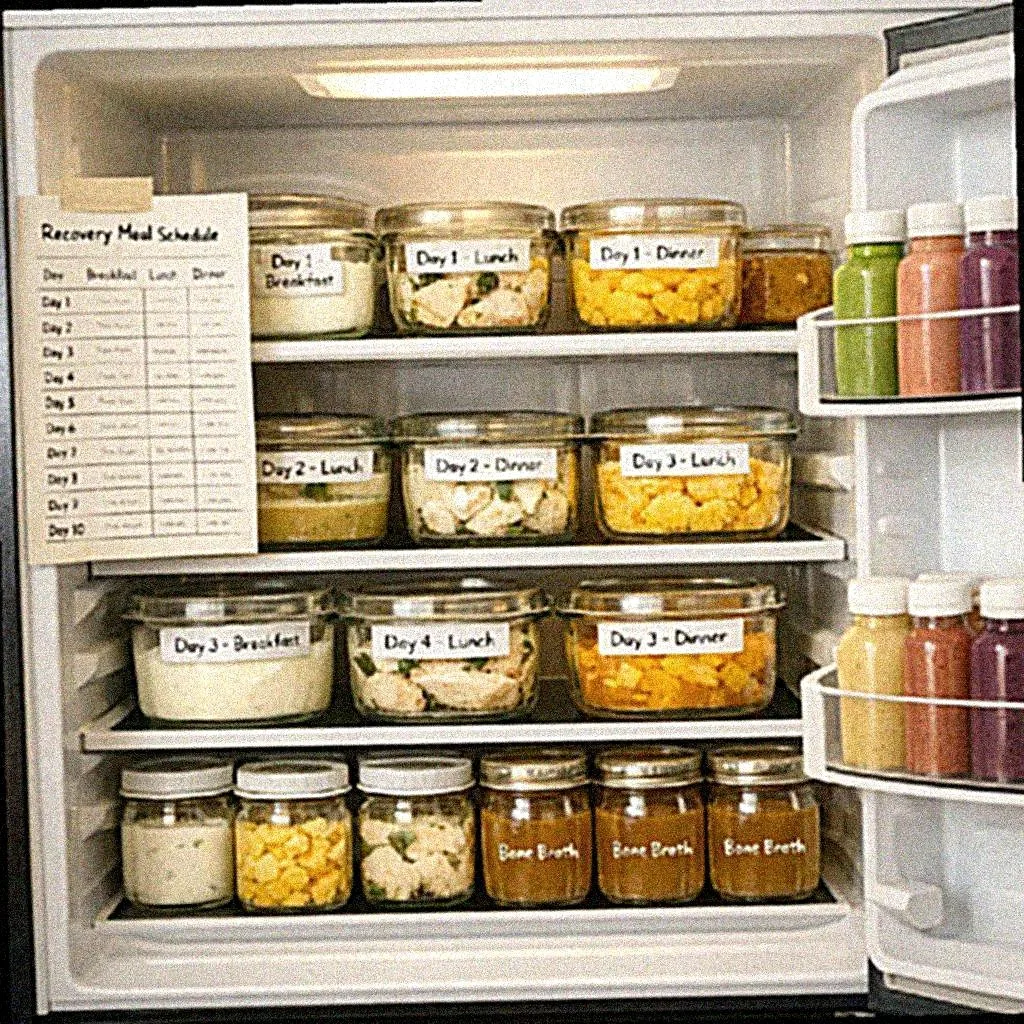
Bone broth: Rich in collagen, easy to sip, comforting when appetite is suppressed. Either make a large pot or stock good-quality cartons (look for low-sodium versions). Warm a mug and offer mid-morning and mid-afternoon. This is hydration plus healing nutrients in one.
Soft-baked salmon: Season fillets with olive oil, lemon, and dill. Bake at 425°F for 12–14 minutes. Stores 3–4 days. It flakes with zero chewing effort, and it's one of the highest-protein, highest omega-3 foods you can put in front of a recovering person. 25g protein per 4-oz serving.
Mashed sweet potato: Bake or microwave 4–5 sweet potatoes, mash with butter and a little salt. Portion into individual containers. Vitamin C for wound healing, potassium for heart function, easy calories that don't require effort to eat.
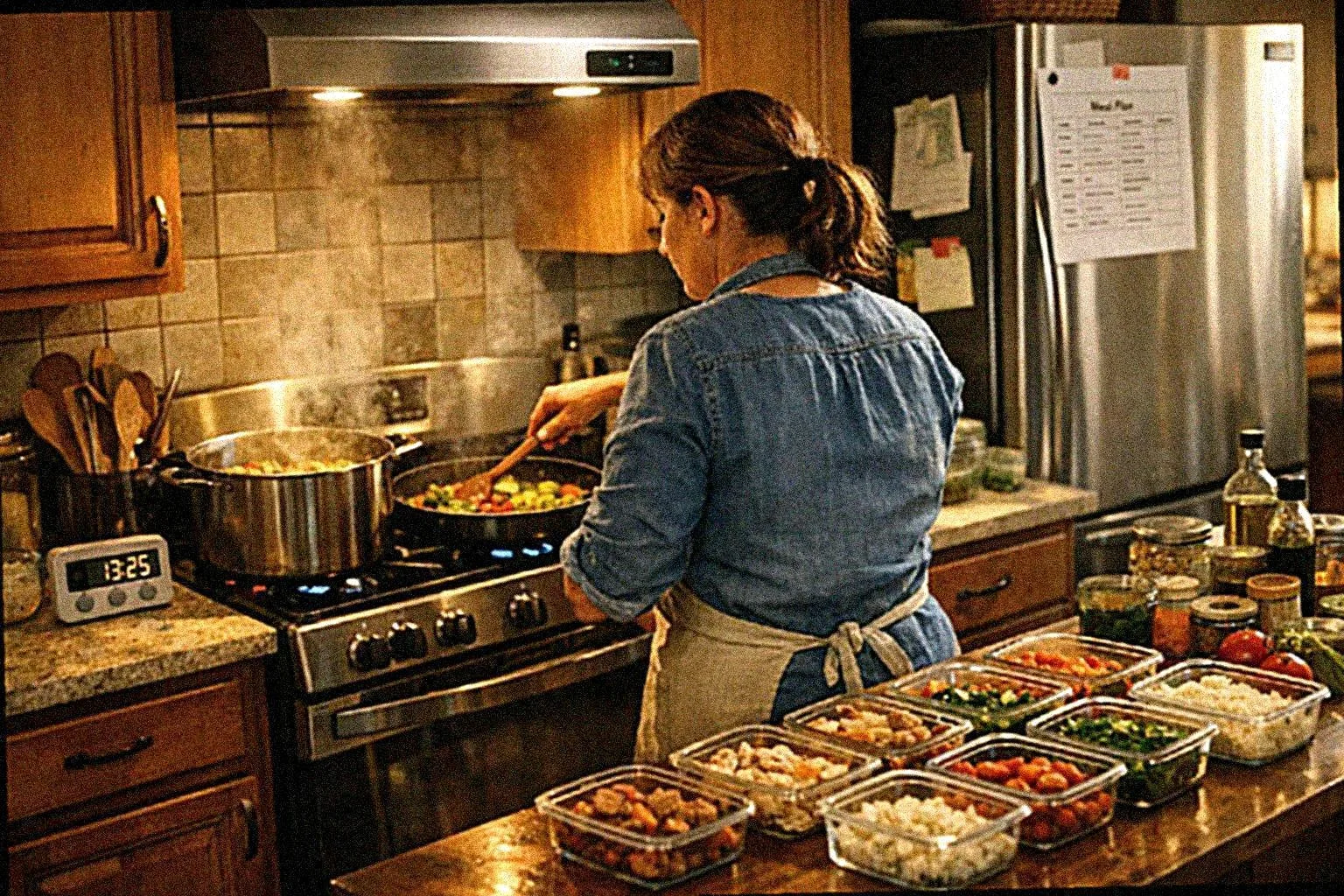
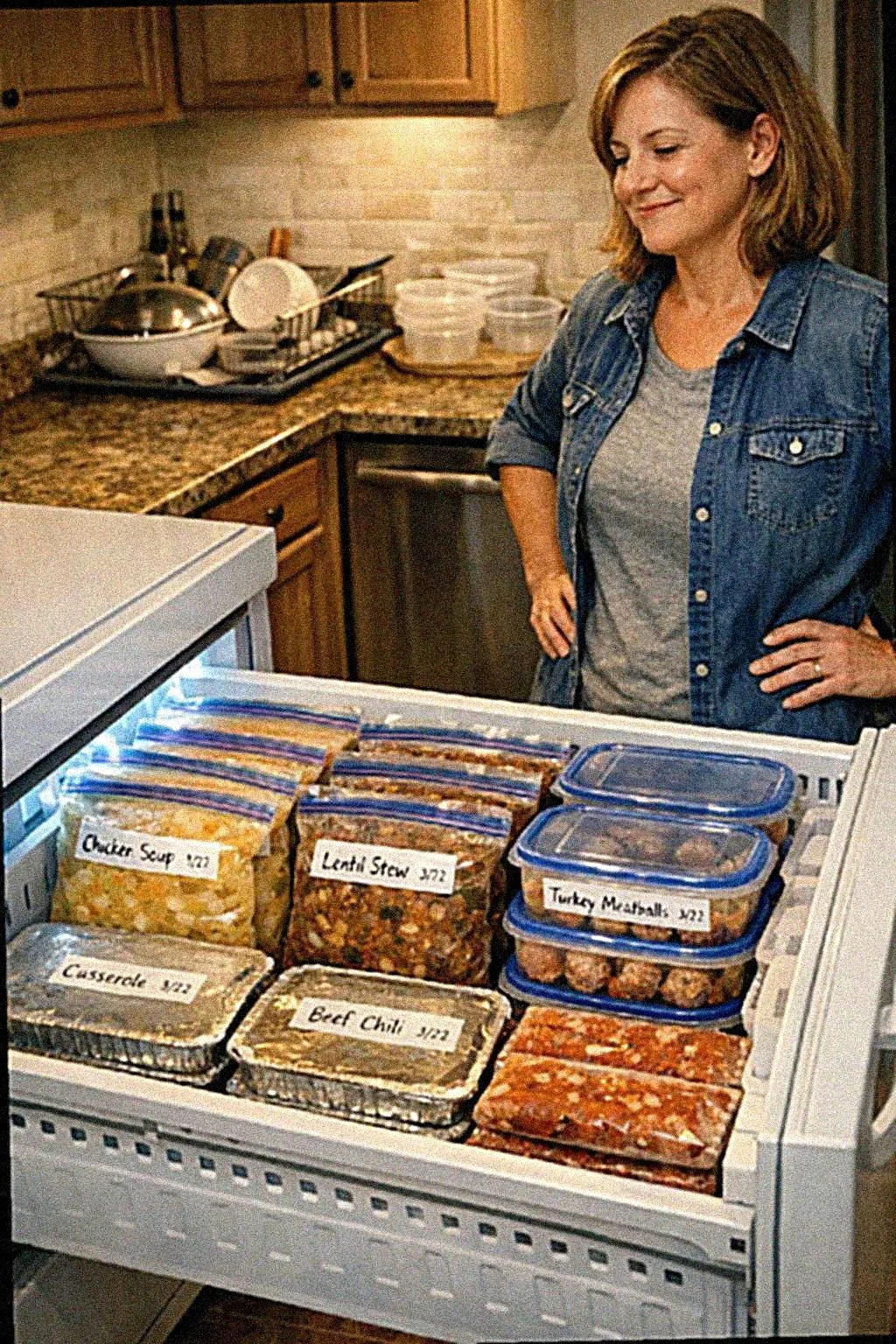
Chicken soup: Make a large pot with shredded chicken (not cubed — easier to eat), soft vegetables, and low-sodium broth. Freeze in single-serving containers — this is the MVP of the first two weeks. Warm, easy to eat, high protein, hydrating. My lola would have a pot of arroz caldo ready for anyone coming home from anything. There's real wisdom in that.
Week 2: More Variety, Increasing Protein
By week two, appetite usually improves and mobility is slightly better. Time to expand:
Sheet pan meals: Chicken thighs or salmon fillets with roasted zucchini, bell peppers, and broccoli. One pan, multiple meals, everything soft when roasted through. Season well — flavor matters for appetite stimulation.
Bean soups and lentil dishes: High protein, high fiber (once digestive surgery patients are cleared for it), very easy to reheat. A lentil soup with low-sodium broth covers both protein and comfort in one bowl.
Soft grain bowls: Quinoa or brown rice with roasted vegetables and a protein. Can be eaten warm or at room temperature — helpful when mobility means someone is eating in a chair or in bed.
Protein smoothies: For anyone still struggling with appetite or oral intake. Blend: full-fat Greek yogurt + banana + frozen berries + handful of spinach + scoop of protein powder if available. That's 25–35g of protein and 350–500 calories in a glass. It goes down even when nothing else will.
If your parent had a stroke in addition to orthopedic or cardiac surgery, the texture-modified approach in meal prep after stroke recovery addresses the overlap between swallowing difficulties and high-protein recovery needs.
Setting Up the Kitchen Before They Come Home
The food matters. The setup matters just as much.
Move essentials to counter level. If reaching overhead is painful or unsafe — which it is after shoulder, spinal, or cardiac surgery — move frequently needed items to counter height or low cabinet height before they arrive home. Plates, glasses, easy snacks. Do this before discharge day.
Set up a small cooler or bedside mini fridge if your loved one is mostly in one room during early recovery. Stock it with yogurt, pre-cut soft fruit, cheese sticks, and water. Nourishment shouldn't require navigating the kitchen at 2am on pain medication.
Pre-portion everything. A full container requires decision-making and serving. Individual portions are grab-and-heat — much easier when energy is depleted. Label every container with reheat instructions. "2 min microwave, stir once" on the container means any family member who comes to help can handle it without asking.
Check mobility hazards in the kitchen. If your parent will be on a walker or crutches, the path from fridge to table matters. No rugs, no obstacles, nothing they have to carry while balancing. For more on kitchen setup for limited mobility, how to organize a kitchen for wheelchair access has the specifics.
When You Can't Be There Every Day
Many Bay Area families manage post-surgery recovery from a distance — flying in for the first week, then trusting a neighbor, another family member, or a professional to maintain the routine.
If you're setting up a handoff, prepare a one-page food guide: what's in the fridge, what's in the freezer, how to reheat each item, any dietary restrictions, and what to watch for (poor intake, swelling, signs of infection, significant weight loss).
If no one can be there regularly, an in-home meal prep service can come in two or three times a week to restock the fridge with fresh, appropriate meals — adjusting as recovery progresses. This is almost always more targeted to the actual recovery needs than a generic meal delivery subscription, which won't know that your parent had a hip replacement last Tuesday and needs high-protein soft foods, not a meal kit that requires 30 minutes of standing at the stove.
If you're preparing for a parent's discharge and need help getting the right food in place — or if your loved one is already home and the kitchen situation isn't working — book a free Kitchen Assessment. I work with families across the San Francisco Bay Area navigating post-surgery recovery, and I can set up a system that keeps your loved one nourished and your stress manageable.
Frequently Asked Questions
How much protein does an elderly person need after surgery?
Older adults recovering from surgery need 1.2–1.5g of protein per kilogram of body weight per day — significantly more than their normal baseline. For a 150-lb (68 kg) person, that's roughly 80–100g of protein daily. Good sources that are easy to eat post-surgery include Greek yogurt (15–17g per cup), salmon (25g per 4-oz serving), scrambled eggs (12g per 2-egg portion), bone broth, and soft-cooked chicken. Protein supports tissue repair, prevents muscle loss during forced bed rest, and supports immune function — it's the most critical nutrient in the recovery period.
What are the best soft foods to prep after hip replacement surgery?
After hip replacement, the texture restriction is less about the surgery itself and more about mobility — the person can't stand at the stove or carry heavy pots. Best soft foods to prep in advance: mashed sweet potato (portioned individually), shredded chicken thighs, soft-baked salmon, scrambled egg packs in microwave-safe containers, Greek yogurt, chicken soup in single-serve freezer portions, and quinoa or brown rice grain bowls. Everything should be pre-portioned and labeled with reheat instructions.
What foods help seniors heal faster after surgery?
Foods that directly support post-surgical healing in older adults: protein (tissue repair and immune function), vitamin C from bell peppers, broccoli, and citrus (collagen synthesis and wound healing), zinc from meat and beans (tissue repair), calcium and vitamin D from dairy and fatty fish (especially after orthopedic surgery), and iron from lean red meat and leafy greens paired with a vitamin C source (to replace blood lost during surgery). Hydration from water, broth, and electrolyte drinks is also critical and consistently underestimated.
How long after surgery does a senior need modified foods?
This depends on the type of surgery. After abdominal or digestive surgery, most patients transition from liquids to soft foods to regular diet over 2–4 weeks, following their surgeon's guidance. After orthopedic surgery, there's typically no texture restriction — the challenge is physical access to food and cooking, not the diet itself. After cardiac surgery, the dietary changes (low sodium, low saturated fat) are generally permanent, not temporary. After oral surgery, soft and pureed foods continue until the surgeon clears regular food — typically 2–6 weeks depending on the procedure.
Should I hire a meal prep service after a parent's surgery?
Yes, if daily cooking isn't feasible for your family. The first 2–4 weeks after surgery are when nutrition matters most for healing, and they're also when the family caregiver is typically most stretched — managing medical appointments, medication schedules, and their own work and family simultaneously. An in-home meal prep service can come 2–3 times per week to restock the fridge with fresh, recovery-appropriate meals, adjusted to your parent's current dietary restrictions and appetite. This is often more effective than a meal delivery subscription because it's customized to the specific recovery needs.
Looking for help with caregiver resources? Learn about our Caregiver Meal Support service →
We'll walk through your specific kitchen situation together — no pressure, no commitment.
Book Your Free Kitchen Assessment