
How to talk to an aging parent about needing help in the kitchen is one of the most-asked questions I get — and it's almost always asked by an adult child who has already tried and gotten shut down at least once.
I hear it all the time. "She said she's fine but the fridge is basically empty." "He got defensive and we didn't talk for three days." "She told me she doesn't need a babysitter."
I work with families across the Bay Area navigating exactly this, and what I've learned is this: the conversation about kitchen help is almost never actually about the kitchen. It's about identity. It's about fear. It's about what accepting help means to someone who has been feeding their family for fifty years.
Once you understand that, the conversation gets a lot easier.
Why Your Parent Is Really Saying No
The surface-level read is stubbornness. But that misses what's actually happening underneath.
For most older adults, the kitchen is one of the last places where they feel genuinely competent and in control. It's the room where they have taken care of everyone around them for decades. It holds their identity as someone who provides, who nurtures, who manages their own life.
When you walk in with concern on your face and say "I'm worried about you," what they hear — regardless of your intention — is: you can't manage this anymore.
That's a hard thing to hear. Of course there's resistance.
Other things happening beneath the surface:
Fear of the next step. Accepting help in the kitchen can feel like the beginning of a longer slide — toward more dependence, toward assisted living, toward losing the home entirely. The kitchen may feel like a line that, once crossed, doesn't come back.
Embarrassment about what you might see. An empty fridge, expired food, evidence of skipped meals — your parent may feel deeply ashamed of what's actually in that kitchen and would rather you not see it.
A different risk calculus. Your parent may genuinely know they're struggling. They may also genuinely prefer to keep struggling rather than accept what feels like pity or loss of authority.
None of this is irrational. This is a very human response to a very hard situation.
What Not to Say (And Why It Backfires)
These are the phrases most likely to shut the conversation down before it starts:
"I'm worried about you." Opens with vulnerability that often triggers defensiveness. The subtext — even though it's loving — reads as "you're not handling things."
"You need help." Direct and well-intentioned. Often lands as a verdict, not an offer.
"I just want to make sure you're eating." Implies they're not. Even if true, it can feel infantilizing.
"What if something happens when no one's here?" Leads with fear. Escalates anxiety rather than opening dialogue.
"I already looked into a service for you." Acting before the conversation says: your input doesn't matter. Even if your intentions are good, it feels like being managed.
All of these come from love. None of them tend to work.
What to Say Instead: Scripts That Actually Work
The shift is from telling to asking. From arriving with a conclusion to arriving with genuine curiosity.
Opening script — ask, don't tell:
"I've been thinking about you and how much goes into managing meals every day. What's that actually been like lately for you?"
This is an invitation. It doesn't arrive with a pre-formed answer. Most parents, when genuinely asked, will tell you more than you expect.
Frame it around your own feeling, not their problem:
"Honestly, I think about you being here alone with food sometimes and I realize I don't actually know how it's going. I'd love to understand more."
This is honest. It centers your curiosity, not their deficit. It doesn't position them as someone who needs to be evaluated.
Make the help about what you need:
"I'd sleep so much better knowing there were good meals in the fridge — not because I think you can't manage, but because I worry, and this would genuinely help me."
This is usually true. And it shifts the dynamic completely: instead of you helping them, they're doing something for you.
The Filipino household approach that actually works: In my family — and in a lot of Filipino families I know — you don't ask if someone needs help. You just show up and bring food. No announcement, no conversation, no permission requested. You put it in the fridge and say "I made extra." That's it.
This sounds simple because it is. Start there. One container of soup. A bag of prepped fruit. No ceremony. Just presence.
Starting Small: The Right First Step
Don't begin with "I'd like to hire someone to cook for you." That's too big, too fast.
Start with something that doesn't require a decision or a change in identity:
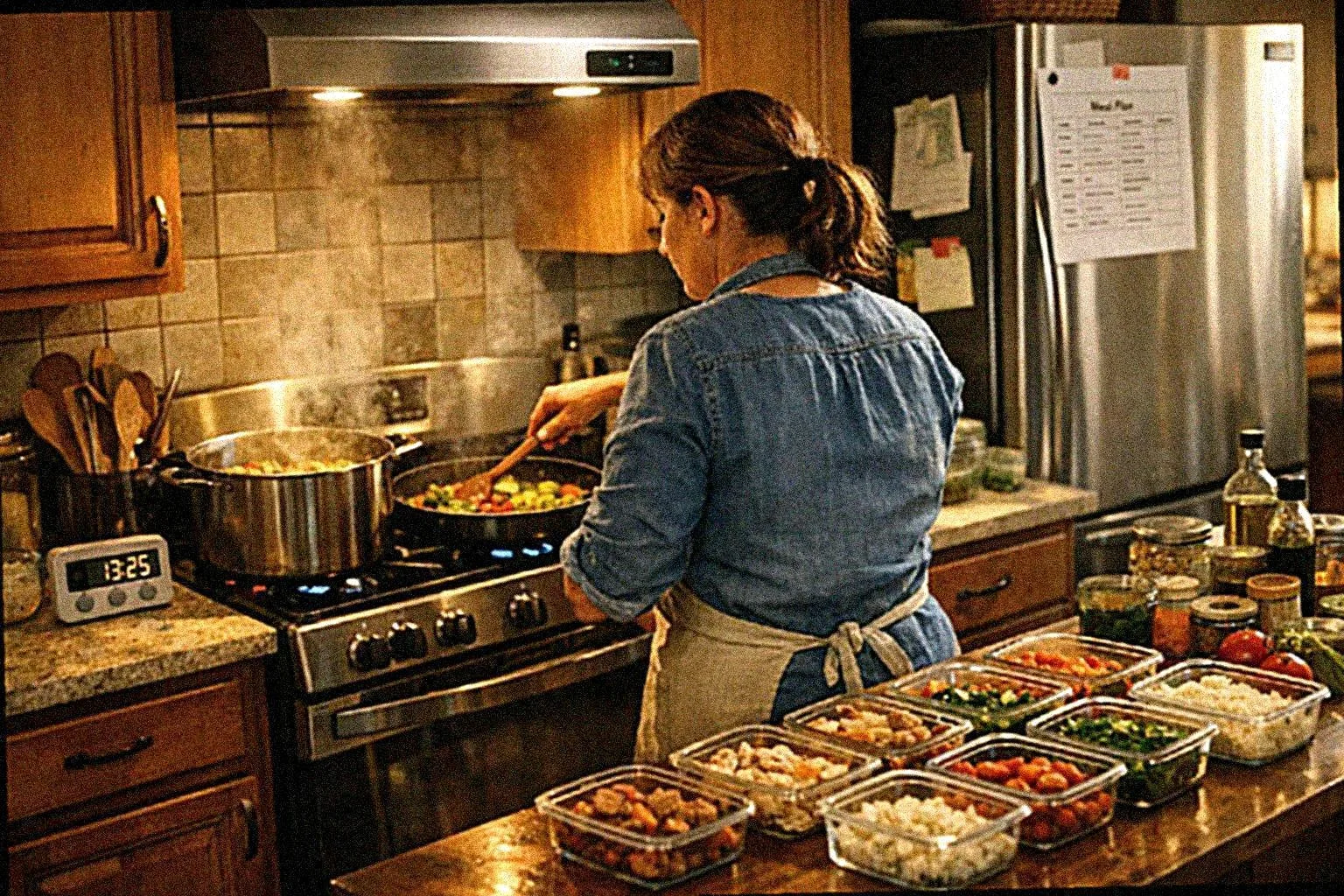
Cook together. Come over on a weekend and cook a batch meal together. It's a shared activity, not a service. You learn what she actually likes to eat, what textures are working, what her kitchen actually needs. She keeps full ownership of the space. A simple batch cooking session — protein, vegetables, a grain, one soup — is a natural thing to do together without it feeling like intervention.
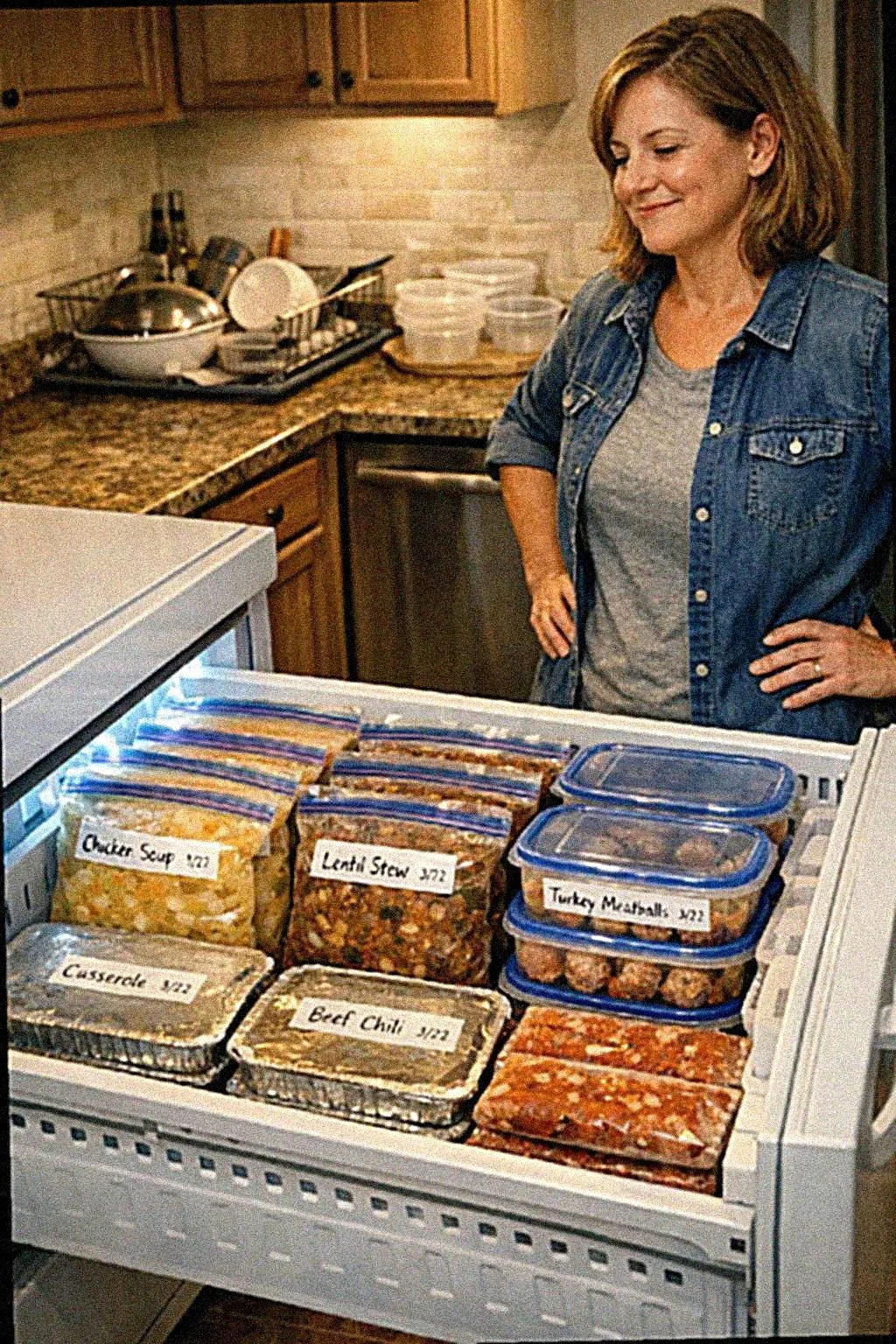
Stock the fridge during visits. Bring a few things you made at home. Leave them without ceremony. "I made extra soup, left it in the fridge." Receiving care through food is much easier than agreeing to a formal arrangement.
One helpful thing at a time. Not a full system. One change. A jar opener that doesn't hurt her hands. A grocery delivery trial for one week. These build a new normal without demanding a shift in identity. Our adaptive cooking service is built around exactly this kind of low-stakes, high-impact intervention.
Each small step builds trust and makes the next step easier to introduce.
When the Conversation Can't Stay Gentle
Sometimes the situation has escalated past the point where a slow, exploratory approach is practical. If you're seeing significant weight loss, dangerous kitchen hazards being ignored, signs of cognitive decline affecting food safety, or your parent is living primarily on crackers and instant noodles — the urgency changes.
In those cases, bringing a third party into the conversation helps. "I was talking to your doctor about how things are going, and she thought it might be worth trying some support with meals" lands differently than a child expressing concern. The message is the same; the authority source is different.
For a specific review of kitchen safety risks and how to address them, that guide has concrete language for making changes without your parent feeling monitored.
Getting Siblings on the Same Page
If you have siblings, the food piece of caregiving almost always surfaces disagreement. Who's concerned enough. How much to intervene. Who's responsible. This is genuinely hard.
A few things that help:
Don't go to your parent before siblings are aligned. Mixed signals — one child saying "we think you need help," another saying "you're doing great" — are worse than no conversation at all.
Divide the task, don't debate the big picture. You don't all need to agree on the long-term plan to decide that someone handles the grocery run and someone checks in twice a week.
Let the most trusted person lead. If one sibling has a naturally closer relationship or your parent tends to confide in them more, that person should open the door.
The Bigger Truth
Here's what I've seen, working with dozens of families across the Bay Area going through this: the families who navigate this well have one thing in common. They move slowly, they listen more than they talk, and they let the parent set the pace.
Your job isn't to fix everything right now. Your job is to be someone your parent can be honest with when they're ready. That takes more patience than any practical solution — and it's worth it.
And sometimes — honestly, more often than you'd think — an outside professional is accepted more easily than a child's help, simply because it doesn't carry the same emotional weight. There's no power dynamic. No complicated history. I'm just there to cook. Many of the parents I work with are more comfortable with me than they were ever going to be with their kids doing it, and that's completely okay.
If you're looking for a way to introduce professional meal support that doesn't feel like an intrusion — or if you've tried having the conversation and it's not landing — book a free Kitchen Assessment. I've had this conversation with a lot of families, and I'm glad to help you figure out the right approach for yours. Our personal chef for elderly parents guide is written for the adult child specifically and covers what to expect once the conversation lands. Pricing is published if your parent's first question is "what does this cost?"
Frequently Asked Questions
What if my parent refuses all help and I'm genuinely worried about their safety?
When safety is the concern — not just preference, but actual risk — you may need to involve their doctor, a social worker, or an elder care specialist to assess the situation and help facilitate the conversation. In California, Adult Protective Services can also be contacted if you believe a vulnerable adult is at serious risk. This is a hard escalation, but sometimes it's the right one.
How do I bring up kitchen help without my parent feeling like I'm criticizing them?
Focus on what you need, not what they're failing to do. "I'd feel better knowing there's food ready" is very different from "I'm worried you're not eating." Framing it as something you're asking of them — a favor to your peace of mind — changes the whole emotional register of the request.
Should I hire someone first and then tell my parent, or get their buy-in first?
Get buy-in first if at all possible. Springing a hired professional on your parent without warning often creates resistance that could have been avoided with a conversation. The exception is situations where safety is actively at risk and your parent lacks the capacity to make that decision — at that point, working with their care team is the right path.
What if my parent accepts help from a professional but not from me?
Let it be okay. It's incredibly common for aging parents to accept professional support more easily than family help — the dynamic is just different. Your goal is your parent's wellbeing, not your own involvement in every part of it. If a professional can provide consistent, high-quality food support that you can't provide right now, that's a win.
How do I handle siblings who disagree about whether our parent needs help?
Start by getting on the same page privately — agree on what specific concerns you're seeing before anyone talks to your parent. Use specific observations ("she's lost 12 pounds since December") rather than general impressions ("she seems to be declining"). If siblings genuinely can't align, a geriatric care manager or social worker can provide an objective assessment that takes the disagreement out of the family dynamic.
Looking for help with caregiver resources? Learn about our Caregiver Meal Support service →
We'll walk through your specific kitchen situation together — no pressure, no commitment.
Book Your Free Kitchen Assessment