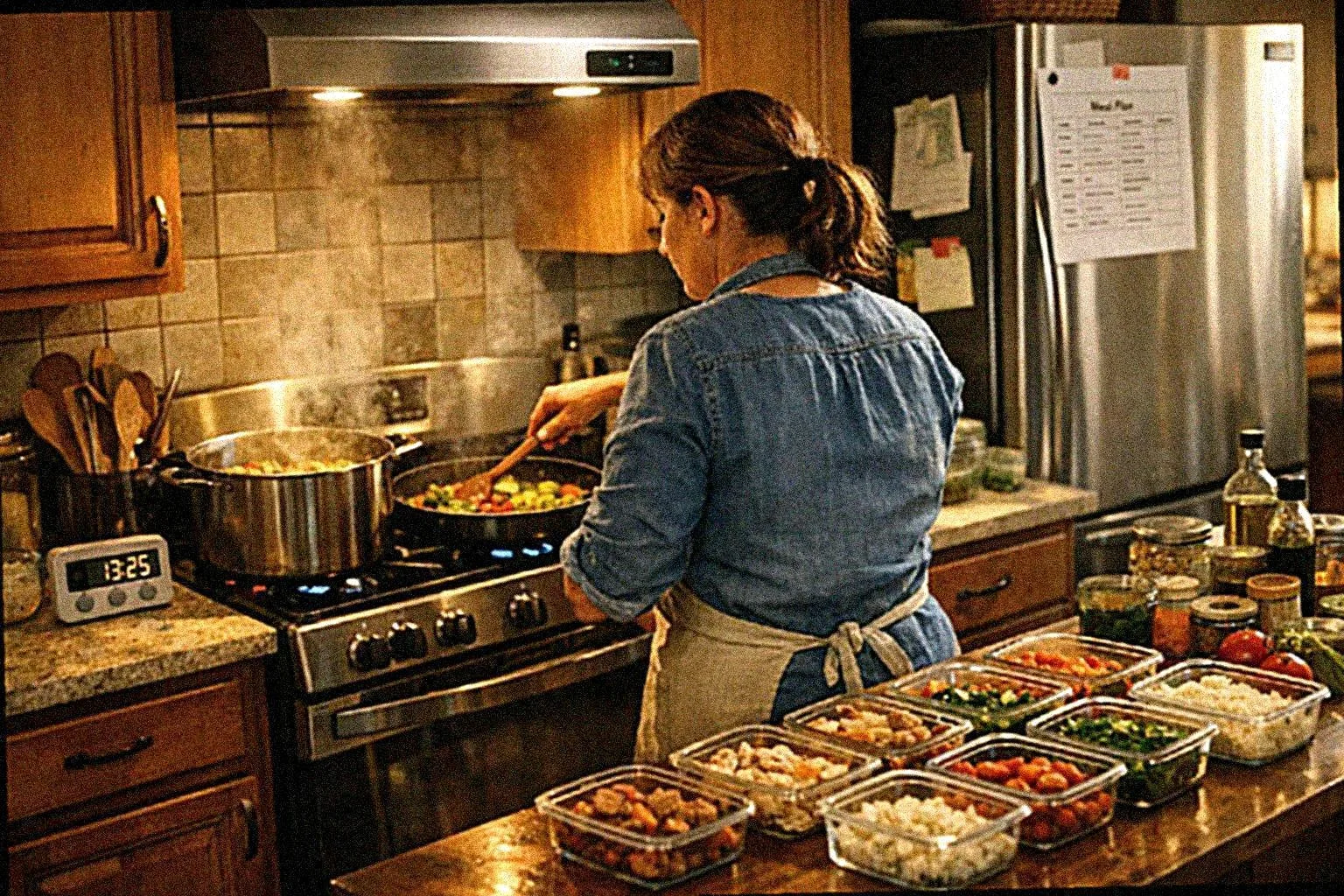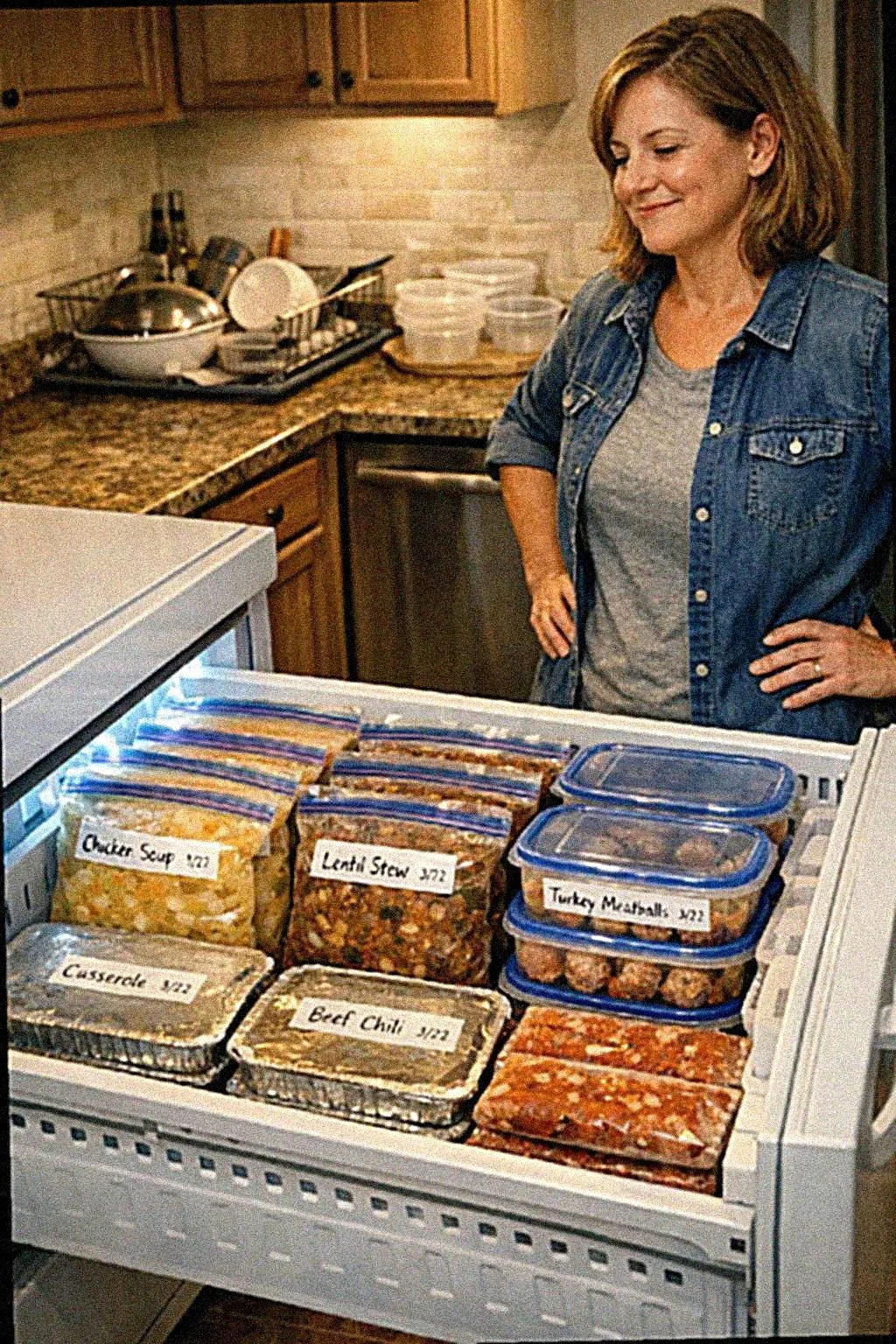
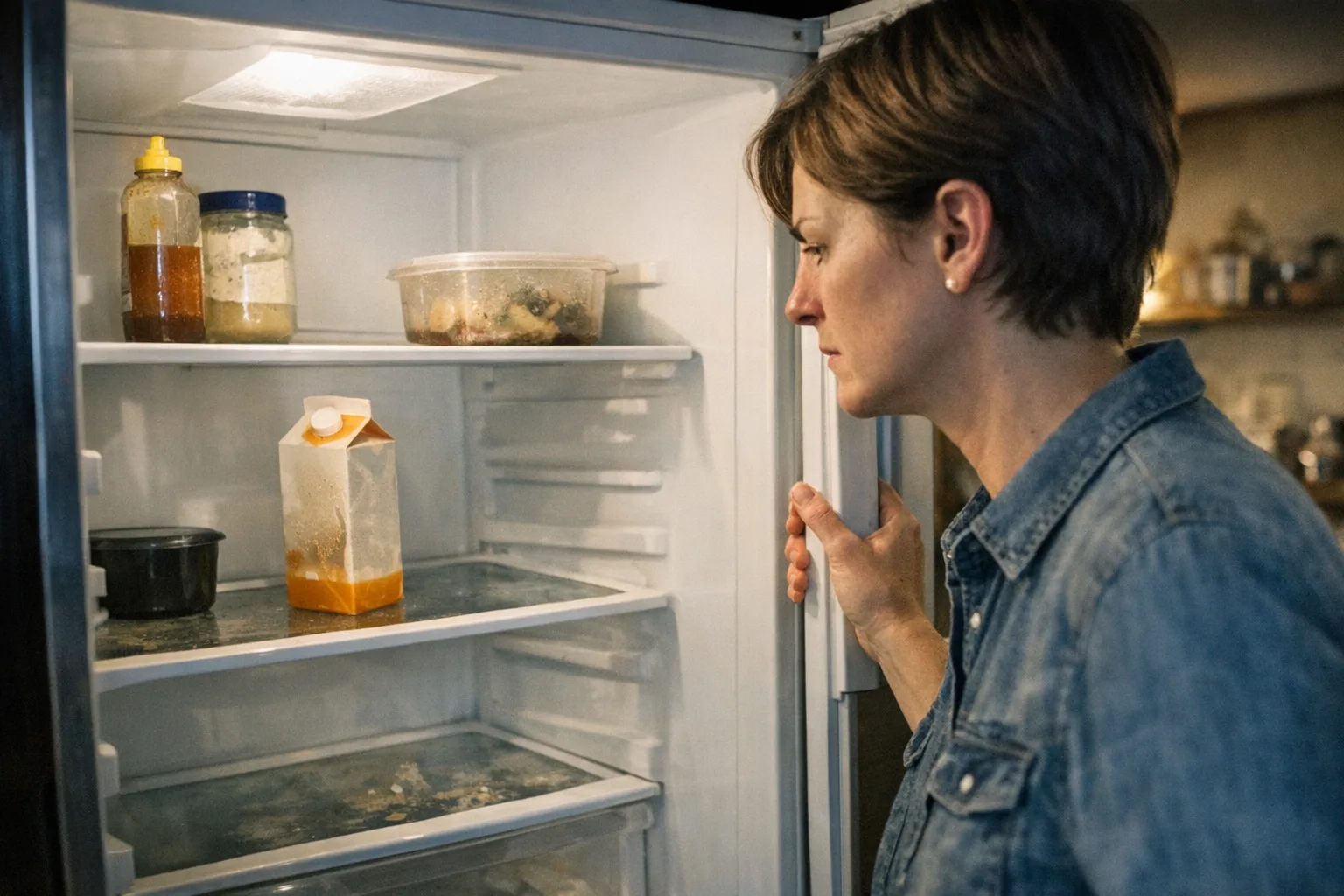
When to hire a meal prep service for an aging parent is a question I get asked constantly — and usually by caregivers who are already past the point where they should have called someone.
I work with families across the Bay Area who are doing everything right. They love their parents. They're showing up. They've read the batch cooking guides and done their best to build a system. And they're still drowning.
Here's the thing: needing help isn't failure. It's math. You are one person with a job, a household, maybe your own kids — and you're also trying to be a personal chef for someone with a specific medical diet who may or may not eat what you leave. That's a lot. A meal prep service isn't you giving up. It's you making sure your parent actually gets fed well, consistently, without you burning out in the process.
So how do you know when it's time? Here are the seven signs I've learned to watch for.
7 Signs It's Time to Hire a Meal Prep Service
1. You're Driving Over More Than Twice a Week — and It's Not Sustainable
Be honest with yourself about the math. If you're spending 3–4 hours a week in the car plus cooking time, that's a significant chunk of your life every single week, compounding over months and years.
I had a client — a nurse working 12-hour shifts — who was driving 40 minutes each way to her mom's three nights a week after work. She was doing it out of love. She was also running on fumes. When she finally called me, the first thing she said was "I don't know why I waited so long."
When the frequency or distance has crossed from "manageable" to "I'm genuinely depleted" — that's the sign. The cost of professional help is almost always less than people assume, and definitely less than the cost of a burned-out primary caregiver.
2. Your Parent's Dietary Needs Have Become Medically Complex
One dietary restriction is workable. Combinations are a different beast.
Managing someone with both diabetes and heart failure means balancing carbohydrate portions, strict sodium limits, fluid restrictions, and food textures — all at once. Add dementia or kidney disease to that picture and you're now doing clinical nutrition in someone's home kitchen, hoping you got it right.
Getting it wrong isn't just a quality-of-life issue. For a parent with chronic kidney disease, too much potassium in one meal can have serious health consequences. For someone on a fluid restriction, a well-intentioned soup can cause real harm.
A professional who understands therapeutic nutrition cooks appropriately for complex conditions — and adjusts as those conditions change. That's different from what a family member, no matter how dedicated, can typically deliver. If you're managing two or more overlapping medical dietary needs, please reach out.
3. There's Been a Major Health Event
Hospitalizations, strokes, surgeries, significant falls — these often mark a turning point where previous systems break down. Our post-hospital meal prep service is purpose-built for that 4–6 week window: specific protein targets, texture modifications, and phased food introduction that goes beyond standard batch cooking. Post-stroke care may require thickened liquids and carefully modified textures that take real knowledge to prepare safely.
The period right after a health event is exactly when nutrition matters most for recovery — and exactly when family caregivers are most overwhelmed. That's not a coincidence. It's the clearest signal to call for help.
4. Your Parent Is Losing Weight, Consistently Not Eating, or Stuck in the Costco Rotisserie Loop
If your parent is losing weight, skipping meals, leaving most of what you prep untouched, or showing signs of malnutrition — the current system isn't working nutritionally, no matter how hard you're trying.
Adjacent signal worth naming: I call it the Costco rotisserie loop. A parent (or a stretched-thin caregiver) defaults to a rotisserie chicken from Costco every few days, plus bread, plus whatever vegetable looks easiest. It feels like "they're eating real food." But it's the same meal in rotation, sodium is high, vegetables are minimal, and the chicken gets dry by day three so it stops getting eaten. If this is the pattern, the system has quietly bottomed out — even if no one is technically skipping meals.
Reduced appetite in older adults is common and can come from many places: medication side effects, depression, isolation, dental problems, taste and smell changes, disease progression. Solving it usually requires more than just having food available. It requires figuring out why they're not eating and adjusting accordingly — different textures, different presentation, smaller portions offered more frequently, familiar comfort foods over nutritionally "perfect" options.
This is nuanced work. When weight loss becomes a concern, it's time to get a professional assessment of what's actually happening at mealtimes. I've seen parents who hadn't eaten a real meal in weeks start eating consistently again once we figured out the right texture and the right time of day.
5. You're the Only One Doing It and You're Close to the Wall
Caregiver burnout isn't a character flaw. It's a completely predictable outcome when one person carries the whole food responsibility for an aging parent — often while also working and raising a family.
The food piece is relentless in a specific way. It doesn't pause. It doesn't get easier. Every day, multiple times a day, it's there. If you're recognizing the signs — exhaustion that sleep doesn't fix, resentment creeping in, feeling like nothing you do is ever enough — that's the moment to get help. Not "eventually." Now.
Even one professional visit per week shifts the weight. Not just in hours saved but in the mental relief of knowing it's handled.
6. You're Managing This from a Distance
Long-distance caregiving — flying in monthly, coordinating over the phone, relying on neighbors — is one of the hardest caregiving situations there is. A once-a-month trip can stock the freezer. It can't cover daily nutritional needs, adapt to how your parent is doing week to week, or notice when something is off.
A professional meal prep service that visits 2–3 times a week provides consistent, personalized food — and the eyes on the ground that long-distance family caregivers desperately need. Many of the families I work with are adult children based in the South Bay or Peninsula trying to care for a parent in San Francisco or Oakland. This is exactly the gap I'm here to fill.
7. Your Parent Accepts Outside Help Better Than Family Help
This one surprises people, but I've seen it over and over. A parent who refuses to let their child cook for them — "I'm fine, I can manage" — sometimes accepts help from a professional without any of that friction.
The reason is real: the parent-child dynamic carries weight. Accepting a child's cooking can feel, to an aging parent, like admitting they can't take care of themselves. A professional shows up without that emotional charge. There's no guilt, no power struggle, no complicated history. I'm just here to cook.
If you've been running into resistance every time you try to help with food, bringing in someone from outside the family dynamic is worth trying. More on navigating that conversation in our guide to talking with aging parents about kitchen help.
What an In-Home Meal Prep Service Actually Does
A professional in-home meal prep service is not a meal kit subscription. It's not frozen delivery. It's a real person coming to your parent's home, cooking in their kitchen, with their dietary restrictions and preferences in mind, leaving several days' worth of labeled, portioned, ready-to-reheat meals.
The key differences from DIY or delivery:
It's personalized. Not a generic menu. Food prepared for your parent's specific conditions — the right sodium level for heart disease, the right textures for swallowing difficulties, the familiar flavors that actually get eaten.
It's fresh. Cooked in their kitchen, not shipped from a production facility. This matters for taste, texture, and nutritional quality.
It's adaptive. As your parent's needs change week to week — more soft foods after a dental procedure, lighter portions during a low-appetite week — the cooking changes with them.
It includes observation. A professional who visits regularly notices things. A change in how they're moving. Less food eaten than last week. A new confusion about medication times. These observations, reported back to family, are genuinely valuable.
At Well Prepped Life, this is exactly what I do. I visit homes across the Bay Area, cook in the kitchen, and leave families with the peace of mind that their person is eating well — and that someone was paying attention.
The Honest Answer About Cost
People assume professional meal prep service is expensive. I get it. But when you actually do the math — your time, your gas, the stress, the lost work hours — the gap is usually smaller than you think.
And if you're at the point where caregiver burnout is a real risk, or where your parent's nutrition is genuinely suffering, the cost of not getting help is higher.
If budget is a real concern, even one visit per week is meaningful. That's one less day of cooking pressure, one less day of driving, one more day of knowing your parent ate a real meal.
If you're a family caregiver in the San Francisco Bay Area and any of these signs feel familiar, book a free Kitchen Assessment. We'll talk through your parent's situation and figure out what kind of support would actually make a difference. No pressure, no obligation. Our cooking for an aging parent guide walks the full DIY-to-hire arc, and our pricing tiers are published so you know what you're looking at before the call.
Frequently Asked Questions
What does an in-home meal prep service for seniors actually cost?
Pricing varies by provider and scope of service, but most in-home meal prep services for seniors cost between $25–$50 per hour, covering both cooking time and grocery sourcing. Many families find that 2–3 visits per week meets most of their needs. At Well Prepped Life, we offer a free Kitchen Assessment so you can understand exactly what's involved before committing to anything.
Is an in-home meal prep service covered by insurance or Medicare?
Traditional Medicare does not typically cover in-home meal prep services. However, some Medicare Advantage plans include meal delivery or home aide benefits that may apply. Medicaid, long-term care insurance, and certain VA benefits may also cover some services. It's worth calling your parent's insurance provider directly to ask about home-based nutrition or aide benefits.
How is a meal prep service different from a home health aide?
A home health aide typically focuses on personal care — bathing, dressing, medication reminders — and may prepare simple meals as part of their duties. A dedicated meal prep service focuses specifically on cooking: developing a food plan based on dietary restrictions, sourcing appropriate ingredients, preparing multiple days of meals in one visit, and adapting to medical and preference changes over time. They're complementary services, not substitutes for each other.
What if my parent has multiple complex dietary restrictions?
This is exactly where professional meal prep adds the most value. Managing a combination of conditions — diabetes plus kidney disease, or heart failure plus dementia plus dysphagia — requires real nutritional knowledge to get right. At Well Prepped Life, I work with clients with complex medical dietary needs regularly and build a food plan specific to their full health picture, not just one condition.
How do I know if a meal prep service is right versus just improving my own system?
If your current system — even a well-run batch cooking routine — is still leaving your parent under-nourished, or you're consistently running on empty, that's the clearest signal. A free assessment gives you an honest picture of where the gaps are and whether professional support would close them.
Looking for help with caregiver resources? Learn about our Caregiver Meal Support service →
We'll walk through your specific kitchen situation together — no pressure, no commitment.
Book Your Free Kitchen Assessment